
DeHOFF Blog
 RSS Feed
Subscribe and receive email notifications of new blog posts.
RSS Feed
- 2026 | 19 Posts
- 2025 | 24 Posts
- 2024 | 24 Posts
- 2023 | 24 Posts
- 2022 | 24 Posts
- 2021 | 24 Posts
- 2020 | 8 Posts
- 2019 | 15 Posts
- 2018 | 16 Posts
- 2017 | 2 Posts
- 2016 | 24 Posts
Community | 22 Posts
National Real Estate Market Report | 13 Posts
Outdoors | 1 Posts
Press Release | 30 Posts
Stark & Summit Counties | 16 Posts
Stark County | 38 Posts
Summit County | 3 Posts
Tips For Home Buyers | 25 Posts
Tips for Homeowners | 40 Posts
Tips for Sellers | 16 Posts
November
18
18
How First-Time Buyers Can Budget for Seasonal Home Upkeep
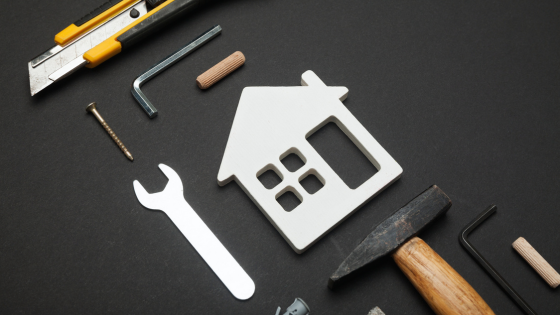
Buying your first home marks a big moment in your life, but it also brings new duties. Our real estate agents know that setting money aside for regular home care can stump new buyers. Planning ahead helps you keep your home in good shape and dodge surprise costs.
- Getting to Know What Your Home Needs Each Season
Every season comes with its own set of tasks to keep your house in top shape. Spring might need you to clean leaves and junk from gutters, check the roof for damage from winter, and get your lawn ready for new growth. Summer could mean tuning up your AC to run well in hot weather, putting a fresh coat of paint outside to guard against the elements, and taking care of yard work. Fall is when you prep your heating for cold days, clean out chimneys, and plug up drafty spots around windows and doors to save on energy bills. Winter requires you to wrap pipes so they don't freeze, look out for ice buildup on the roof, and have a plan to clear snow. Knowing these seasonal jobs helps you plan for costs and schedule them, stopping small problems from turning into big, expensive fixes. - Creating a Maintenance Calendar
Making a yearly maintenance calendar helps you stay organized and plan ahead. Begin by writing down all the upkeep tasks needed throughout the year, grouping them by season. Put specific dates or time periods for each job on your calendar, and set alerts on your phone or computer. This organized method makes sure you don't miss important maintenance work. For instance, booking a furnace check-up in early fall ensures your heating system is set for winter. Regular upkeep not only keeps your home's value but also boosts its safety and comfort. - Setting Aside a Maintenance Fund
Money management plays a key role in keeping up with house maintenance costs. Many financial advisors suggest putting away 1% to 3% of what you paid for your home each year to cover upkeep and fixes. If your house costs $200,000, you should save $2,000 to $6,000. Creating a special fund for home maintenance helps you have money on hand when needed, which keeps you from panicking to find cash during emergencies. Think about setting up auto-transfers to a separate savings account to build this fund slowly. Steady payments make surprise expenses easier to handle and stop them from affecting your other money goals. - Prioritizing Tasks
When you have many home fix-ups vying for your time and money, it's crucial to rank them. Put your energy into jobs that keep your house safe, sturdy, and working well. Take fixing a dripping roof or sorting out electrical problems—these should come before sprucing up a room with fresh paint. By zeroing in on must-do repairs, you can spend your cash where it counts most, keeping your home secure and cozy. - Investing in Energy Efficiency
Making your home more energy-efficient has an impact on lowering utility costs in the long run. Think about installing a smart thermostat to better control heating and cooling times, swapping out old windows for energy-saving ones, or beefing up insulation to keep heat in. Switching to ENERGY STAR appliances can also help you save. These upgrades cost money upfront but often pay off through smaller energy bills and might boost your home's worth. - Getting Help from Experts
Some maintenance jobs are too complex or risky to safety to handle yourself. It's better to bring in experts for these tasks. Electrical work fixing pipes, or servicing heating and cooling systems are examples where pros should step in. They'll do the job right and make sure everything follows local rules. When you're looking for someone to hire, check their qualifications, see what others say about them, and get prices from a few different places. This helps you find the best deal. If you build good relationships with reliable experts, it'll be easier to plan and handle future upkeep needs. - DIY Where Appropriate
Tackling small fixes and upkeep jobs yourself can cut costs and make you feel proud. Easy jobs like painting, patching small leaks, or swapping out light fixtures is usually doable if you've got the right gear and know-how. You'll find tons of help out there, from online how-to videos to classes at big hardware stores to boost your skills. But be honest about what you can handle and know when to call in the pros to avoid making things worse or putting yourself in danger. - Planning for Emergencies
Even with careful planning, unexpected problems can pop up, like damage from storms or broken appliances. A special emergency fund for home fixes gives you peace of mind and financial safety. This money cushion lets you tackle urgent issues without using high-interest credit or putting other financial duties at risk. - Taking Another Look at Your Budget Regularly
Your money situation, what's important to you, and what your home needs can change over time. Taking another look at your budget and tweaking it now and then ensures it still fits your current life. Take a fresh look at how much you're putting into your maintenance fund, update your to-do list for home upkeep, and think about any new goals or hurdles that have come up. Staying flexible and on top of things helps you handle your resources while keeping your home in great shape without unnecessary worry.
Looking to buy your perfect house? Check out North Canton homes for sale and Akron homes for sale. Need some help? Contact us now.